Chronicle · A Living Archive of Ideas

A living map of
human knowledge.

Chronicle transforms ideas, discoveries, and stories into connected archives that reveal how knowledge evolves.

Below · A Chronicle from the archive
Library

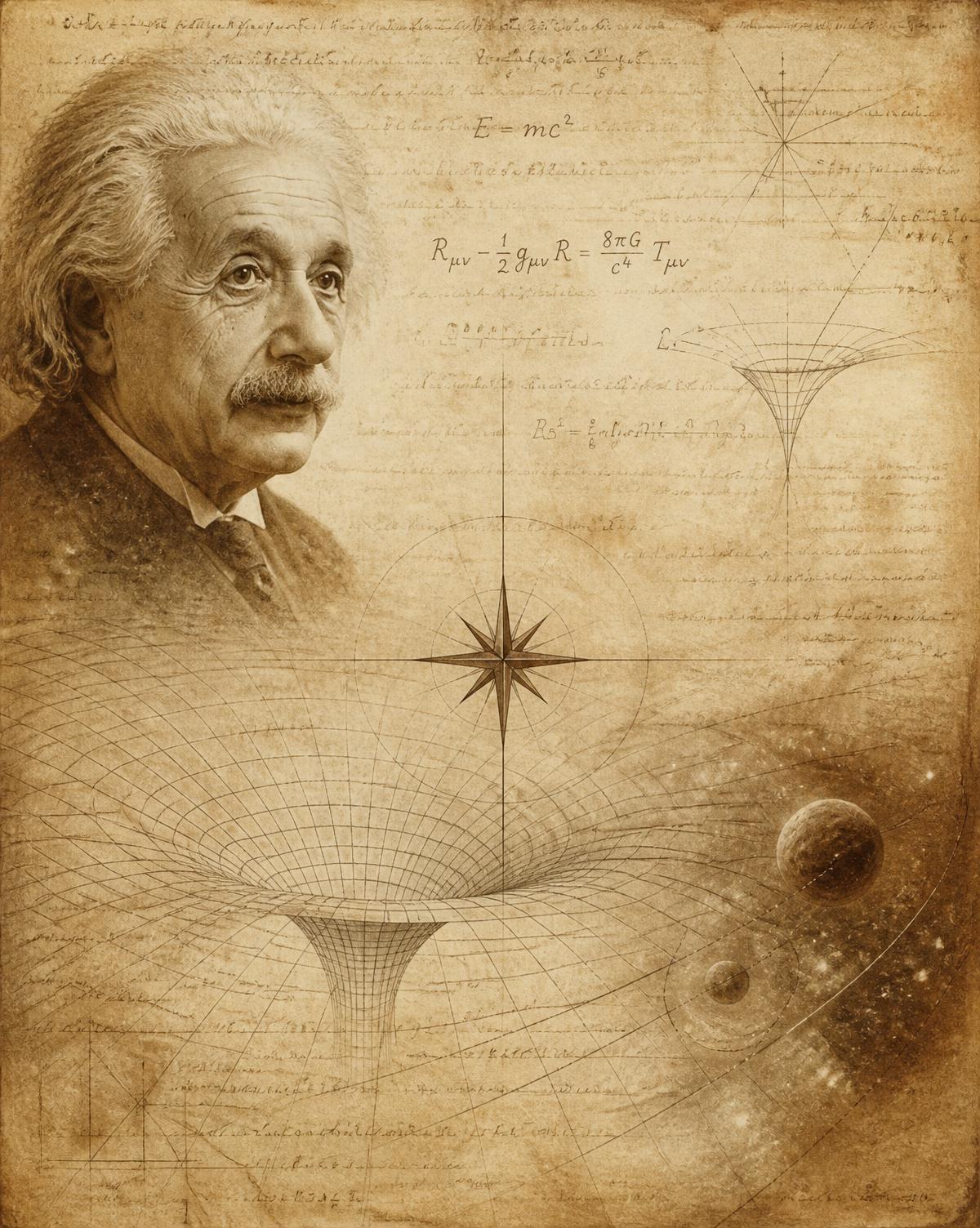
Einstein's Revolution

ConnectionsBuilt onDisagreedDisproven
1687
Principia
Isaac Newton
1865
Field theory
James Clerk Maxwell
1905
Special relativity
Albert Einstein
1915
General relativity
Albert Einstein
2015
Confirmation
LIGO Collaboration
Step One

Record a Moment.

The start of a chronicle.

Mode I

Writing Mode

Capture knowledge with ease.

A focused, distraction-free writing space. Draft in plain Markdown, let the page fall away, and record an idea while it is still sharp.

Library
Saved 10:32 PM

The Odyssey

c. 700 BCEin 2 Chroniclesepic poem

Homer's epic follows Odysseus, king of Ithaca, on a ten-year voyage home from the Trojan War. He outwits the Cyclops Polyphemus, resists the Sirens, threads Scylla and Charybdis, and endures the wrath of Poseidon — while Penelope and Telemachus hold Ithaca against the suitors.

Details Chronicles 1 SourcesReadEdit
Step Two

Watch the Story Unfold.

See things from a whole new perspective.

Mode III

Timeline Mode

See ideas unfold through time.

Understand discoveries, movements, and moments as they develop across history — dated, placed, and read in sequence.

From — History of Human Flight
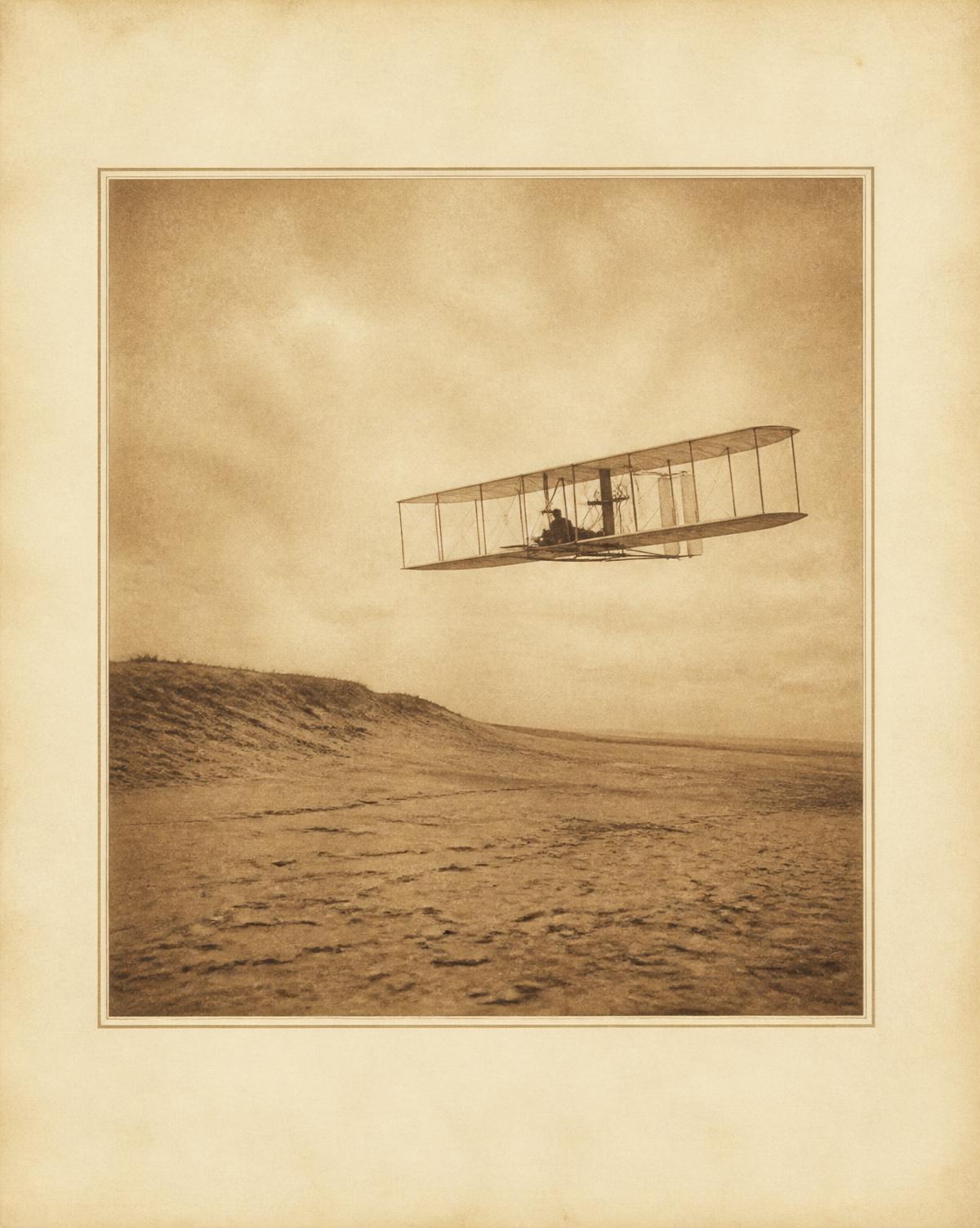
The Wright Flyer
1903
The Wright Flyer
Kitty Hawk, North Carolina
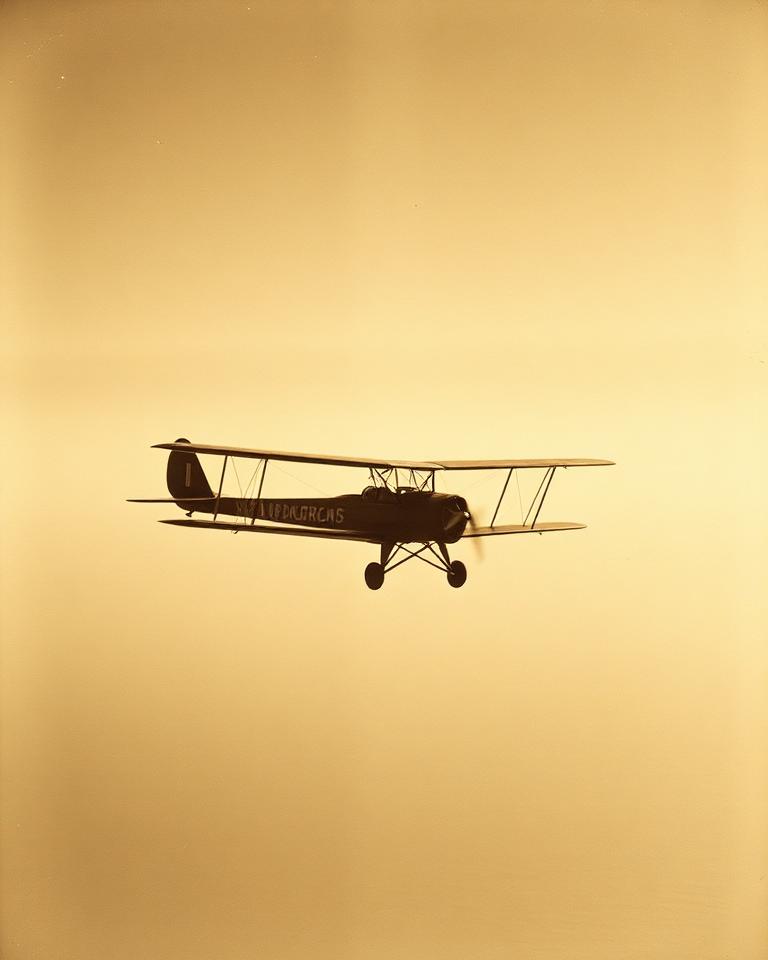
Lindbergh crosses the Atlantic
1927
Lindbergh crosses the Atlantic
New York → Paris
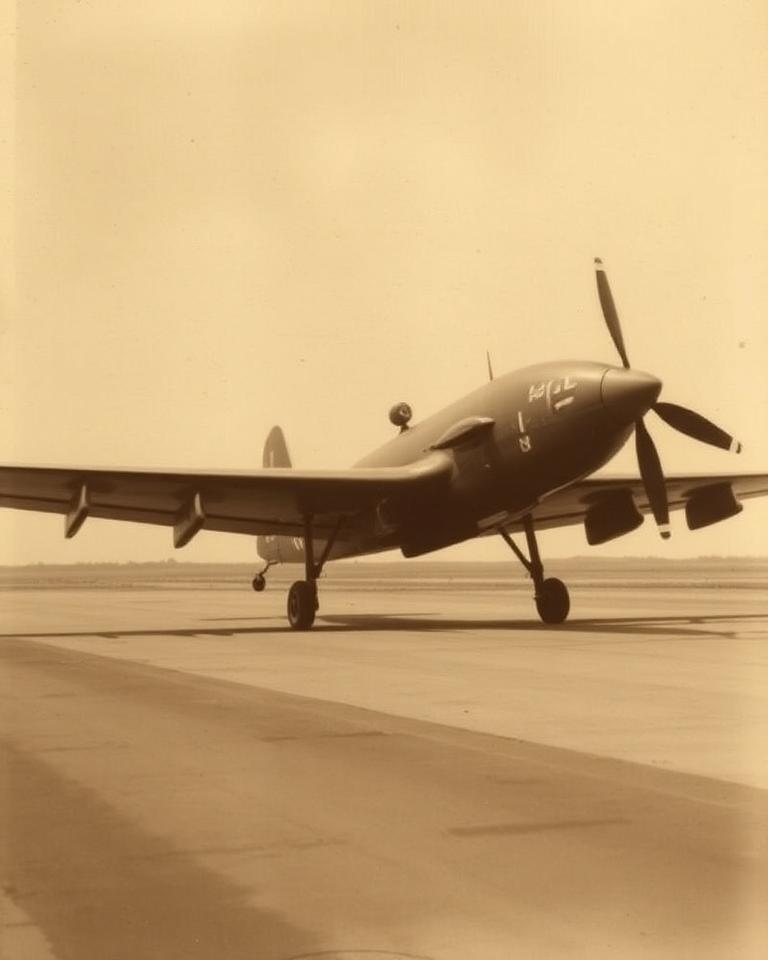
The first turbojet in flight
1939
The first turbojet in flight
Heinkel He 178
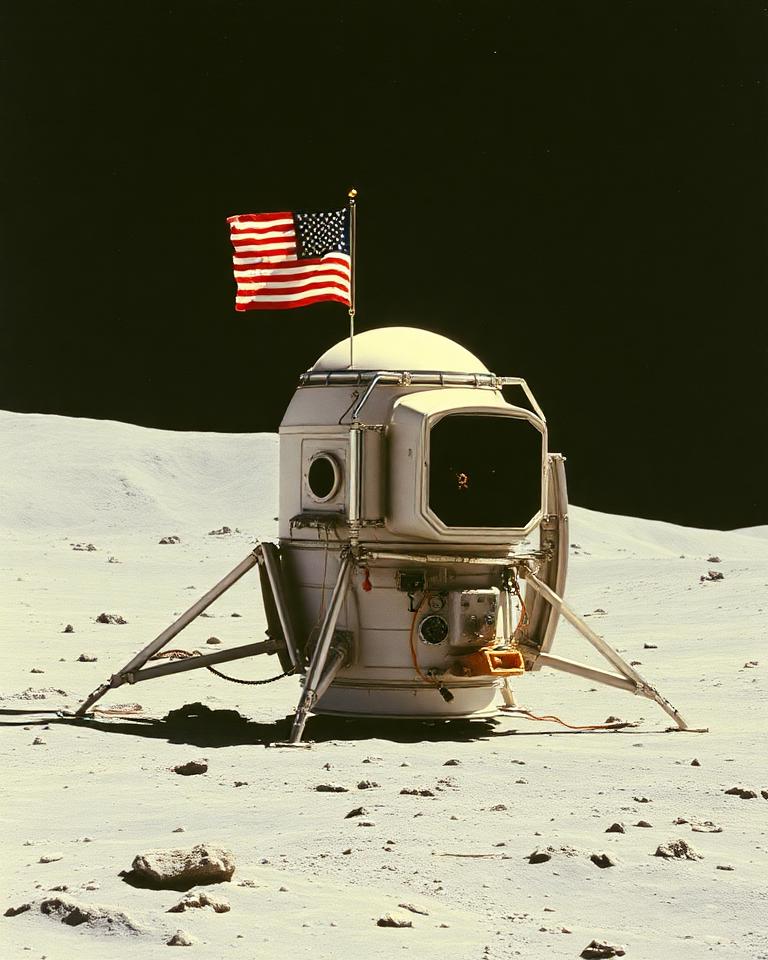
Apollo 11 lands on the Moon
1969
Apollo 11 lands on the Moon
Sea of Tranquility
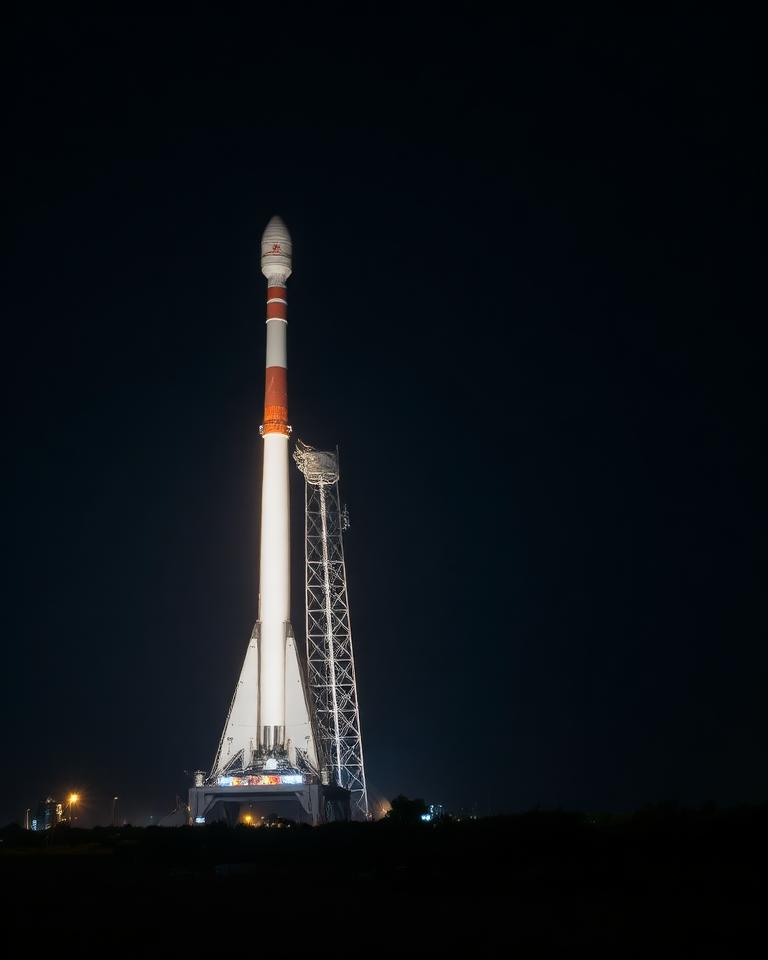
The first orbital-class rocket lands
2015
The first orbital-class rocket lands
Cape Canaveral, Falcon 9
Mode IV

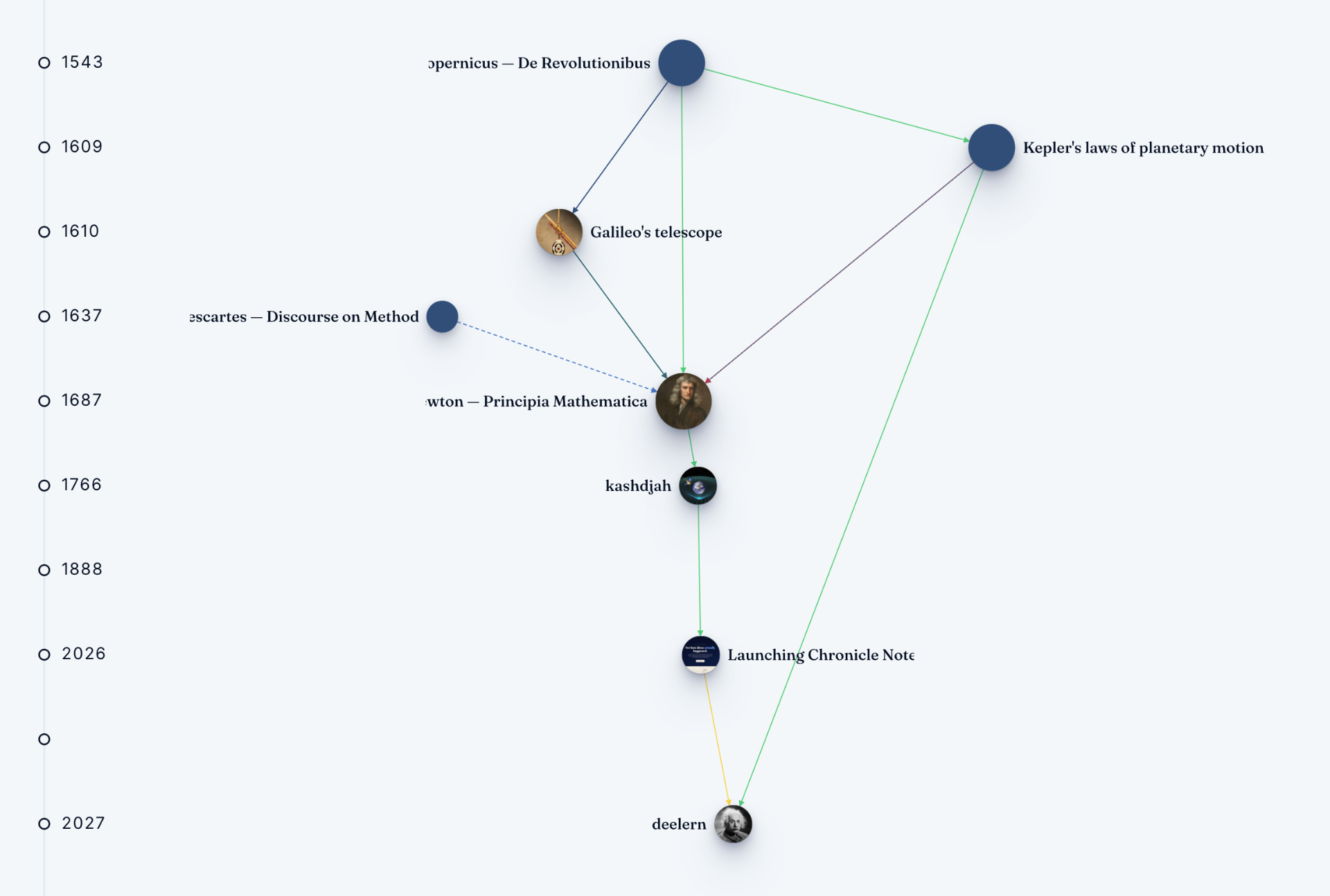
Tree Mode

Discover the relationships between ideas.

See who built on whom, who disagreed, and which claims were later disproven — the intellectual lineage of a subject, laid bare.

From — Western Philosophy
Chronicle Tree Mode showing a vertical year rail with connected nodes for Copernicus, Kepler, Galileo, Descartes, Newton and later entries.
Mode V

Reading Mode

Learn through immersive narratives.

A Chronicle can be read like an essay — with drop caps, pull quotes, images, and citations that hold the whole exhibit together.

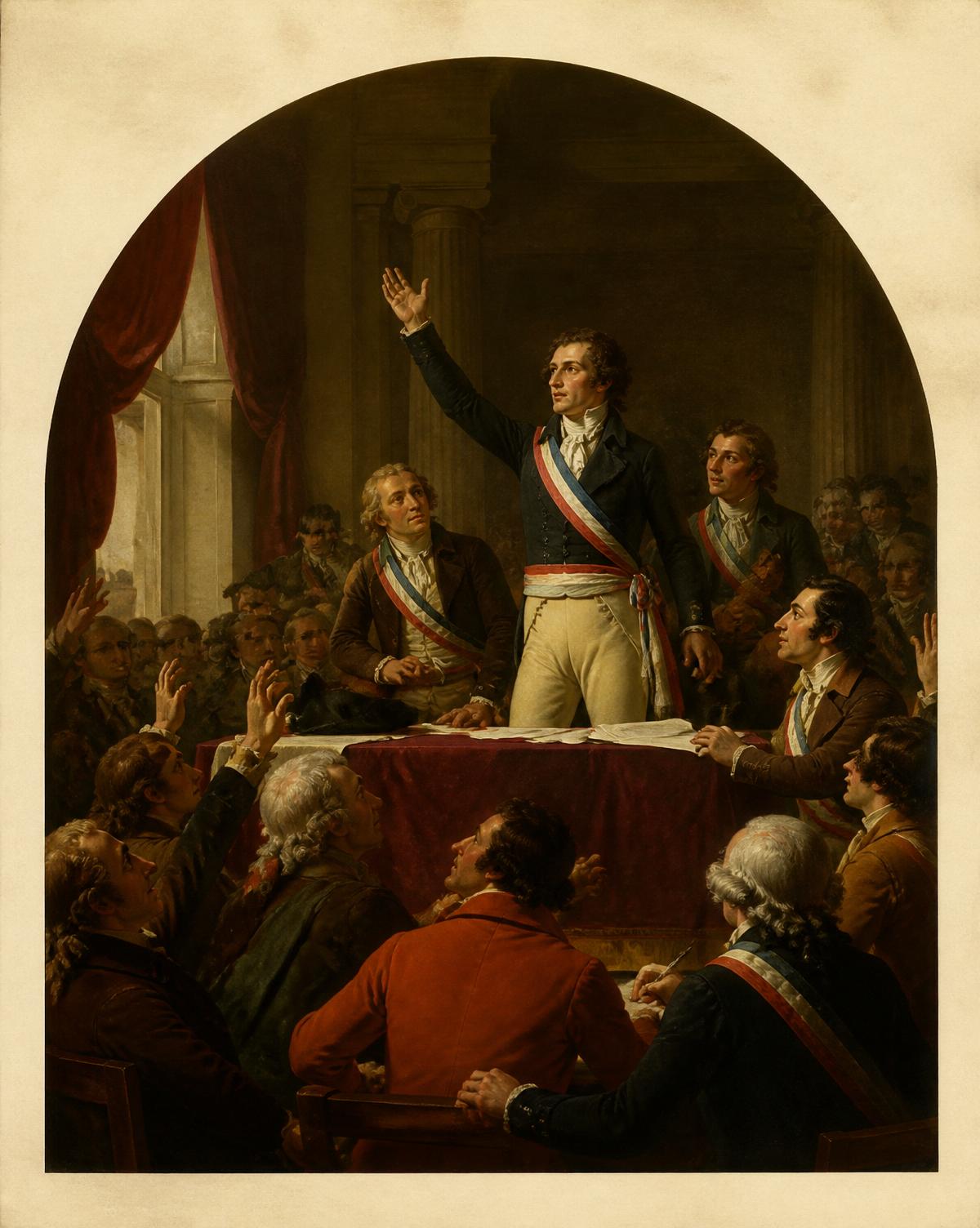
From — The French Revolution
Neoclassical painting of the Tennis Court Oath, citizens raising hands in an arched chamber.
The French Revolution · 1789 – 1799
The oath in the tennis court

On 20 June 1789, locked out of their meeting hall, the deputies of the Third Estate gathered in a nearby tennis court and swore not to disperse until France had a constitution. Within three weeks the Bastille fell. Within two months, the National Assembly had drafted the Declaration of the Rights of Man and of the Citizen.

Sources
  1. Jules Michelet. Histoire de la Révolution française, 1847.
  2. François Furet. Interpreting the French Revolution, 1978.
  3. William Doyle. The Oxford History of the French Revolution, 1989.
Mode VI

The Public Library

Humanity's shared knowledge archive.

Chronicles authored by scholars, students, and curious readers — free to open, follow, and copy into your own archive.

Now open in the Library
The History of Ethics — cover plate
Philosophy
The History of Ethics
The Quantum Revolution — cover plate
Physics
The Quantum Revolution
The Evolution of Human Rights — cover plate
Law
The Evolution of Human Rights
Rise and Fall of Rome — cover plate
History
Rise and Fall of Rome
Chapter Three · Index

Enter a field of study.

An index of the archive — five fields, in continuous authorship.

Philosophy

The evolution of human thought.

  1. Ancient Greek Philosophyc. 600 – 100 BCE
  2. Enlightenment Ideas17th – 18th c.
  3. Existentialism19th – 20th c.

Physics

Humanity's changing view of reality.

  1. Relativity1905 – present
  2. Quantum Mechanics1900 – present
  3. Cosmology1917 – present

History

Events that shaped civilisation.

  1. The Roman Empire27 BCE – 476 CE
  2. The Industrial Revolution1760 – 1840
  3. Modern Democracy1776 – present

Law

Systems that govern societies.

  1. Magna Carta1215
  2. Constitutionalism17th c. – present
  3. Human Rights1948 – present

Arts & Culture

How humans create meaning.

  1. A History of MusicAntiquity – present
  2. Renaissance Art14th – 17th c.
  3. Cinema1895 – present
Coda

Knowledge is not a collection of pages.
It is a connected, evolving structure.